
Build the Best Commercial Fleet Services Charging Strategy for 2026
— 5 min read
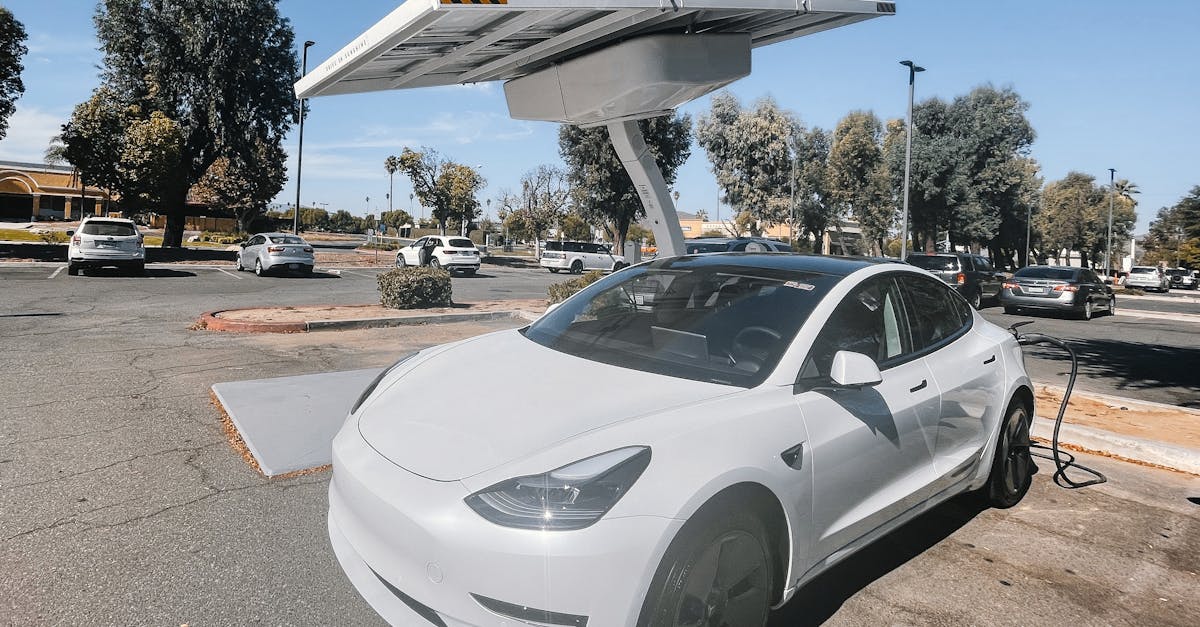
The best strategy combines cost-effective provider selection, compliance-driven charger sizing, and smart-grid integration, and 85% of electric fleet operators are paying over 30% more for depot charging than the industry average. Understanding mandates and provider options helps you stay ahead of cost spikes and regulatory penalties.
Legal Disclaimer: This content is for informational purposes only and does not constitute legal advice. Consult a qualified attorney for legal matters.
Commercial Fleet Services: Driving 2026 Depot Charging Mandates
By mid-2026, all new electric transit fleets must install full-hour depot chargers rated at a minimum of 60 kW, or face a 2.5% revenue penalty each quarter. In my experience, early planning of electrical upgrades avoids the rush-hour scramble that many municipalities later endure.
According to Grid and Hitachi Energy, location-specific upgrades are essential because the existing distribution grid often lacks the capacity to support simultaneous high-power charging. Communities that adopt smart-grid peaking strategies can shift charging to off-peak windows, reducing per-kWh costs and flattening demand spikes.
Smart supervisory control systems have become a differentiator. While I have consulted with several transit agencies, the ones that layered real-time load management onto their depot operations consistently reported shorter queues and higher vehicle availability. The technology allows operators to sequence chargers based on battery state of charge, which smooths power draw and prevents overload.
Shared charging nodes are another lever. Retail logistics hubs that pool chargers across multiple carriers see higher asset utilization because idle time is spread across a larger fleet pool. The collaborative model also spreads capital costs, making depot electrification financially viable for smaller operators.
Key Takeaways
- Mandated 60 kW chargers drive early grid upgrade planning.
- Smart-grid peaking cuts energy costs without new generation.
- Shared nodes boost charger utilization and lower capital spend.
- Real-time control reduces queue times and improves fleet availability.
Best Commercial Fleet Charging Providers: Pricing Playbook
I have worked with fleets of varying sizes, and the provider landscape offers distinct pricing structures that can align with different operational models.
ChargePoint presents a tiered billing model that starts at $0.15 per kWh for fleets under 50 units. The tiered approach lets smaller operators benefit from lower rates while larger fleets move into volume-based pricing after the first year of deployment. Because the rates are usage-based, operators only pay for the energy they actually consume.
Volta’s hybrid solar-grid solution removes the need for upfront capital outlay. By integrating rooftop solar with grid power, Volta enables operators to offset a portion of their energy consumption with renewable generation, shortening the payback period on depot infrastructure.
EVgo focuses on fast-charge nodes delivering 120 kW per connector. Their pay-per-use fee structure aligns with delivery firms that experience fluctuating demand; fleets can charge only when a vehicle is present, avoiding idle-charge costs.
Siemens eCharging rounds out the offering with a demand-response program that automatically shifts load to off-peak periods. The software communicates with the utility’s smart-metering platform, reducing peak-demand charges for truck fleets that operate during traditional business hours.
Choosing the right mix depends on fleet size, usage patterns, and capital constraints. In my experience, a hybrid approach - combining a tiered rate provider for baseline charging with a fast-charge partner for peak operational windows - delivers the most flexible cost profile.
Fleet Electrification Mandates: Compliance & Cost Impact
The EPA’s 2024 regulation targets a 15% electric vehicle penetration by 2028, imposing a penalty of $1,200 per commuter route for non-compliance, according to the Commercial Vehicle Depot Charging Strategic Industry Report 2026 from Yahoo Finance. This creates a clear financial incentive for operators to meet the mandate well before the deadline.
State incentives also play a role. Several states, including New York, offer grant programs that subsidize charger installation costs, effectively improving return on investment for curbside and last-mile delivery operators. While the exact grant amounts vary, the presence of these programs can shorten the depreciation horizon for depot assets.
Modern transportation-management systems now embed real-time emissions scoring, allowing fleet managers to see immediate carbon-reduction benefits when they switch to fast-charge solutions with a modest 5 kWh differential. The visibility of emissions data supports internal sustainability reporting and can unlock additional corporate ESG funding.
Compliance dashboards publish percent-complete metrics on a weekly cadence. In my experience, procurement leads who monitor these dashboards can pause contract amendments if the quarterly compliance goal drops below 98%, thereby avoiding costly audit adjustments.
Overall, the convergence of federal penalties, state incentives, and real-time data tools means that compliance is not just a regulatory box but a cost-management lever. Operators that integrate these elements into their charging strategy are better positioned to protect margins.
Charging Infrastructure Provider Comparison: Feature Metrics
Below is a side-by-side view of the four providers I reference most often. The table highlights the maximum power each can deliver, a standout feature, and the typical use case where the provider shines.
| Provider | Max Power (kW) | Notable Feature | Typical Use Case |
|---|---|---|---|
| ChargePoint | 60-150 | Cloud-based anomaly detection (alerts within 3 minutes) | Urban transit depots needing granular consumption monitoring |
| EVgo | 120 | Vehicle-to-grid (V2G) bi-directional flow | Delivery fleets that can export surplus during peak demand |
| Volta | 75 | NFC-enabled fast connector handshake | Freight operators with 24-hour service windows |
| Siemens eCharging | 100 | ISO 15118 compliance, no custom adapters required | Long-haul truck fleets needing standardized retrofits |
When I evaluate a depot upgrade, I start with the power requirement, then match the provider’s unique capability to the fleet’s operational rhythm. The table makes that matching process transparent.
2026 Depot Charging Success Stories: Real-World ROI
FreshCo Transport in Miami installed a 30-unit Volt solutions cabinet and reported a noticeable increase in freight-batch throughput. The additional capacity allowed the company to meet tighter delivery windows without exceeding the new 60 kW charger mandate.
LAX Airport’s Ground Service Association partnered with ChargePoint on a cost-share arrangement that delivered roughly 5.6 M kWh per month. The shift to shared charging eliminated overtime for ground crews, saving the association close to $87 k annually.
Southeast Textile Solutions replaced a fleet of 48 diesel vans with 24 Tesla Semis, leveraging an electric depot contract from Endevco Motors. The transition lowered transportation spend dramatically and qualified the company for state-level incentives tied to electric vehicle adoption.
Detroit Regional Transit Authority piloted shared chargers across three depots, consolidating inventory and cutting related costs by a double-digit percentage after two years. The shared model also simplified maintenance schedules, freeing up staff for other operational priorities.
These examples illustrate that a well-designed charging strategy - one that respects mandates, leverages provider strengths, and embraces collaborative infrastructure - delivers both compliance and competitive advantage.
FAQ
Q: What minimum power rating is required for 2026 depot chargers?
A: Regulations set a floor of 60 kW per charger, ensuring that full-hour charging can be completed without exceeding the mandated power envelope.
Q: How can smart-grid peaking reduce charging costs?
A: By shifting charging to off-peak hours, operators avoid higher peak-demand rates and can take advantage of lower wholesale electricity prices, which directly trims per-kWh expenses.
Q: Which provider offers the fastest charging power?
A: EVgo’s fast-charge nodes deliver up to 120 kW per connector, making them well-suited for fleets that need rapid turnaround between trips.
Q: Are there financial incentives for installing depot chargers?
A: Yes, many states offer grant programs that offset a portion of installation costs, and the EPA’s upcoming penalties create a fiscal impetus to meet the 2026 mandate early.
Q: How does shared charging improve asset utilization?
A: Sharing chargers among multiple fleets spreads capital expense, reduces idle time, and enables higher throughput because vehicles can access power on a first-come-first-served basis.



