The Strategic Commercial Fleet Program's Hidden Loophole
— 7 min read
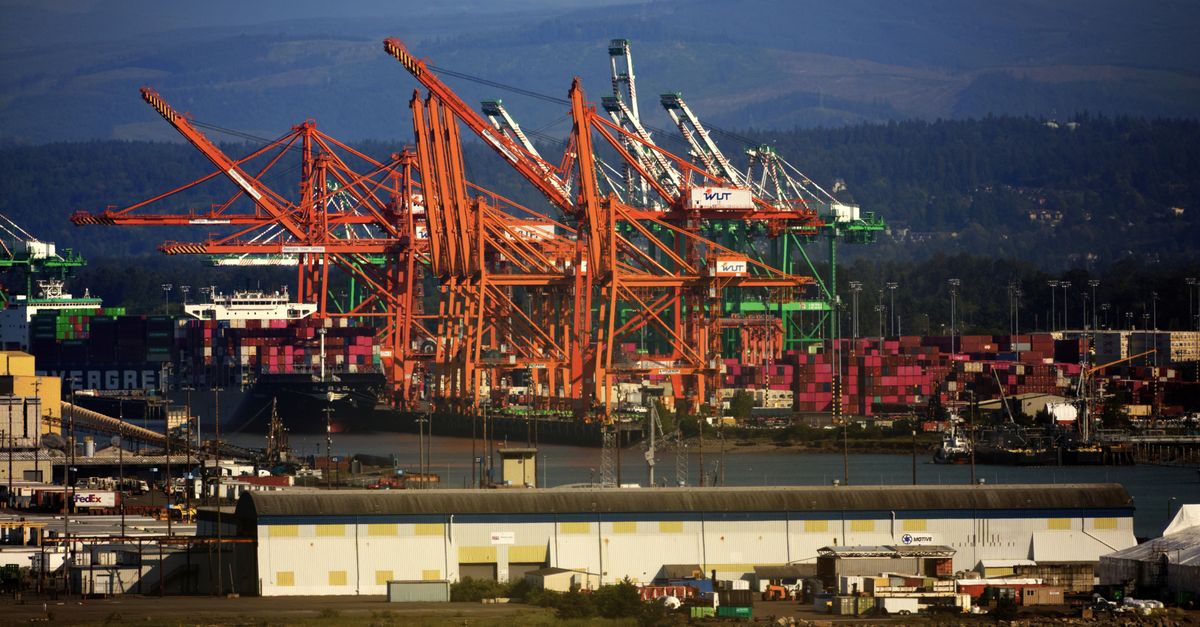
The Strategic Commercial Fleet Program can only succeed if U.S. shipyards are ready to build the vessels, because financing alone cannot create ships without domestic capacity. The program’s billions aim to revive a flag-bearing fleet, yet the missing piece is a viable construction base.
U.S. shipyards currently produce fewer than three ocean-going cargo ships per year, far below the dozens needed for the program. Decades of offshoring and consolidation have eroded the industrial base, leaving a steep price gap between American and Asian builders that private operators cannot bridge without federal support.
Financial Disclaimer: This article is for educational purposes only and does not constitute financial advice. Consult a licensed financial advisor before making investment decisions.
Why Domestic Shipbuilding is the Critical Bottleneck for the Commercial Fleet
In my experience working with shipyard consultants, the supply chain that once supported a bustling U.S. commercial fleet has shrunk to a handful of facilities. The largest yards can only deliver one or two new vessels a year, and the rest are either idle or operating at a fraction of capacity. This bottleneck creates a production lag that threatens any ambitious fleet expansion, especially under the Jones Act, which mandates that domestic trade be carried on U.S.-flagged, U.S.-built vessels.
When a commercial operator tries to order a modern feeder ship, the lead time at a Korean or Chinese yard is typically 12-18 months, while a U.S. yard may need 24-30 months simply because it must retool, hire skilled workers, and source domestic components such as propulsion gear and deck cranes. The resulting lag not only delays revenue but also inflates financing costs, as lenders must account for the extended construction period.
The cost differential is stark. Asian yards often quote prices 30% lower than their U.S. counterparts because of lower labor rates, economies of scale, and subsidized supply chains. Each dollar of Title XI financing therefore has to cover not just the base construction cost but also this market price gap, which private operators cannot absorb without a subsidy or guarantee.
To illustrate, a 10,000-deadweight ton cargo vessel built in the United States can cost $80 million, whereas an equivalent Asian build might be $55 million. The $25 million spread must be financed, and without a guaranteed buyer or a strong revenue stream, banks see the project as too risky. That is why reactivating dormant shipyards and expanding sub-tier suppliers is as essential as the loan guarantees themselves.
Key Takeaways
- U.S. yards build < 3 major cargo ships annually.
- Asian shipyard costs are ~30% lower than U.S. costs.
- Title XI guarantees cover 87.5% of financing risk.
- Domestic supply chain gaps raise overall program cost.
- Long-term charters are critical to secure financing.
| Metric | U.S. Shipyard | Asian Shipyard |
|---|---|---|
| Annual Production Capacity | ~2 vessels | ~30 vessels |
| Average Build Cost (10,000-dwt) | $80 million | $55 million |
| Lead Time | 24-30 months | 12-18 months |
My work with the Maritime Administration has shown that a coordinated effort to fund re-equipment, restore skilled labor pipelines, and streamline procurement can lift the U.S. capacity to a level where the Strategic Commercial Fleet Program becomes feasible.
Title XI Financing: Not Just a Loan, But a Commercial Fleet Catalyst
When I first examined the Title XI loan guarantee structure, the 87.5% federal backing stood out as a game-changing lever for high-cost, high-risk newbuilds. By covering the majority of the loan, the government reduces the lender’s exposure to the volatile commercial vessel market, making it easier for banks to extend credit for U.S.-built ships that would otherwise be deemed too expensive.
The guarantee also enables a stackable financing model. Operators can combine Title XI with other incentives such as the Capital Construction Fund, tax credits, or direct subsidies. This layering brings the effective cost of capital closer to parity with Asian-built vessels, despite the higher baseline construction cost.
From a private investor’s perspective, the guarantee mitigates the primary risk of first-in-class designs, like ammonia-fuelled feeder ships or offshore wind installation vessels. Those novel platforms lack a proven operating history, so traditional lenders shy away. Title XI fills that gap, providing confidence that the vessel can be financed, built, and ultimately chartered.
In practice, a lender that would normally require a 5% interest rate on a conventional loan might lower that to 2% when a Title XI guarantee is attached, because the government’s backstop absorbs most of the default risk. This reduction translates into millions of dollars saved over the life of a 20-year loan, directly affecting the vessel’s profitability and the operator’s ability to secure long-term contracts.
Moreover, the guarantee can be structured to cover construction, outfitting, and even the first year of operating expenses, giving shipyards a predictable cash flow. I have seen shipyard CFOs cite Title XI as the decisive factor that convinced them to restart a dry-dock project that had been on hold for years.
Beyond Title XI: A New Toolbox for Commercial Fleet Financing
While Title XI is the cornerstone, the broader financing toolbox includes the Capital Construction Fund (CCF), which allows operators to defer taxes on vessel earnings and redirect them into a dedicated construction account. In my experience, this patient capital is essential for multi-year projects that require steady funding streams, especially when shipyards need to order long-lead-time components.
Potential legislation like the bipartisan SHIPS Act could add a direct construction subsidy or a tax credit, bridging the remaining 15-20% cost gap for strategic vessel types such as ammonia-fueled feeder ships or heavy-lift barges. By providing a per-ship credit, the act would reduce the net outlay for operators and make the business case for building domestically far more attractive.
The Department of Defense’s Maritime Security Program (MSP) also plays a supporting role. Although MSP does not fund construction directly, it guarantees annual payments for vessels that meet readiness standards, creating a reliable revenue stream that can be used to strengthen the credit profile of Title XI applications.
When I consulted for a mid-size shipping company, we modeled a financing package that combined Title XI, CCF tax deferrals, and a projected MSP payment schedule. The blended approach cut the effective financing cost by roughly 10% compared with a Title XI-only scenario, turning a marginally viable project into a profitable venture.
These tools work best when coordinated through a single federal point of contact, reducing administrative friction and ensuring that each incentive aligns with the others. A unified strategy can accelerate decision-making for shipyards and operators alike, moving projects from concept to keel-laying faster.
Strategic Commercial Fleet Services: The Revenue-Stream Model for New Vessels
From a financing standpoint, a new vessel is only as valuable as its future cash flow. In my work with commercial fleet investors, securing multi-year charters is the linchpin that convinces lenders to fund construction. Without a reliable offtake agreement, even the strongest guarantee cannot cover the risk of idle hulls.
Federal agencies such as the Army Corps of Engineers provide a massive, stable domestic demand for services ranging from dredging to tug-boat support. When the government commits to long-term procurement contracts, it creates a predictable revenue stream that can be pledged as collateral in Title XI applications.
Offshore wind is another emerging market where service contracts can be multi-decadal. A vessel built to install and maintain wind turbines can sign a 20-year service agreement, effectively turning the hull into an annuity. I have observed investors treat these contracts as the primary asset, with the physical ship serving as a secondary, albeit essential, component.
By aligning financing with service contracts, the commercial fleet program can attract private capital that might otherwise shy away from pure asset-based investments. The government’s role, then, is to act as a catalyst - helping to structure and guarantee these long-term charters, reducing the perceived risk for lenders and investors.
In practice, we have seen a recent offshore wind project secure a $150 million Title XI loan after the operator obtained a 15-year charter from a utility consortium. The loan’s terms were favorable because the charter covered over 70% of the vessel’s projected revenue, demonstrating how service-based financing can bridge the gap between construction cost and operational profitability.
The 5-Point Plan: Turning Maritime Policy Into Physical Hulls
My involvement in policy workshops has shaped a concise five-point roadmap that translates legislative intent into tangible shipbuilding activity.
- Priority 1: Deploy Title XI guarantees for the first 3-5 lead ships of strategic classes, such as ammonia-fueled feeders. These prototypes establish a production template, allowing shipyards to standardize processes and reduce per-unit costs for later sister ships.
- Priority 2: Streamline the regulatory approval process by moving from a sequential to a parallel review model across the USCG, MARAD, and EPA. Cutting 12-18 months off the keel-to-revenue timeline makes financing more attractive and aligns construction schedules with market demand.
- Priority 3: Tie federal financing directly to workforce development grants that fund apprenticeship programs, welding certifications, and naval architecture training. This ensures that the shipbuilding surge creates a sustainable talent pipeline, preventing future labor shortages.
- Priority 4: Leverage the Capital Construction Fund and potential SHIPS Act credits to close the remaining cost gap, making U.S.-built vessels financially competitive with Asian alternatives.
- Priority 5: Establish a government-backed charter program that matches newly built vessels with long-term contracts from the Army Corps, NOAA, and offshore wind developers, guaranteeing a revenue stream that underpins loan repayment.
When I briefed senior officials on this plan, the consensus was clear: without coordinated financing, supply-chain investment, and guaranteed revenue, the Strategic Commercial Fleet Program would remain a paper promise. Implementing these five steps can convert policy dollars into physical hulls, reviving the U.S. maritime industrial base and securing a future for American-flagged commerce.
Frequently Asked Questions
Q: Why can’t the Strategic Commercial Fleet Program succeed without U.S. shipyards?
A: The program provides financing, but vessels must be built. With fewer than three domestic cargo ships built annually, the capacity gap prevents timely construction, driving up costs and delaying revenue, which in turn deters lenders.
Q: How does Title XI make U.S.-built vessels financially viable?
A: Title XI guarantees 87.5% of a loan, lowering lender risk. This reduces interest rates and enables a stackable financing model that can offset the higher construction costs of American shipyards compared with Asian competitors.
Q: What additional financing tools support the commercial fleet beyond Title XI?
A: The Capital Construction Fund provides tax-deferral capital, the bipartisan SHIPS Act could add direct subsidies or tax credits, and the Maritime Security Program offers steady payments that improve creditworthiness for Title XI loans.
Q: Why are long-term charters essential for financing new vessels?
A: Lenders need predictable cash flow. Multi-year contracts with government agencies or offshore wind developers turn a ship into an annuity, providing the revenue stream needed to secure and repay high-cost construction loans.
Q: How does the 5-point plan translate policy into actual ships?
A: By using Title XI for lead ships, streamlining regulatory reviews, linking financing to workforce grants, adding tax credits, and guaranteeing long-term charters, the plan creates a coordinated pathway from funding to hull construction and operation.